 11
11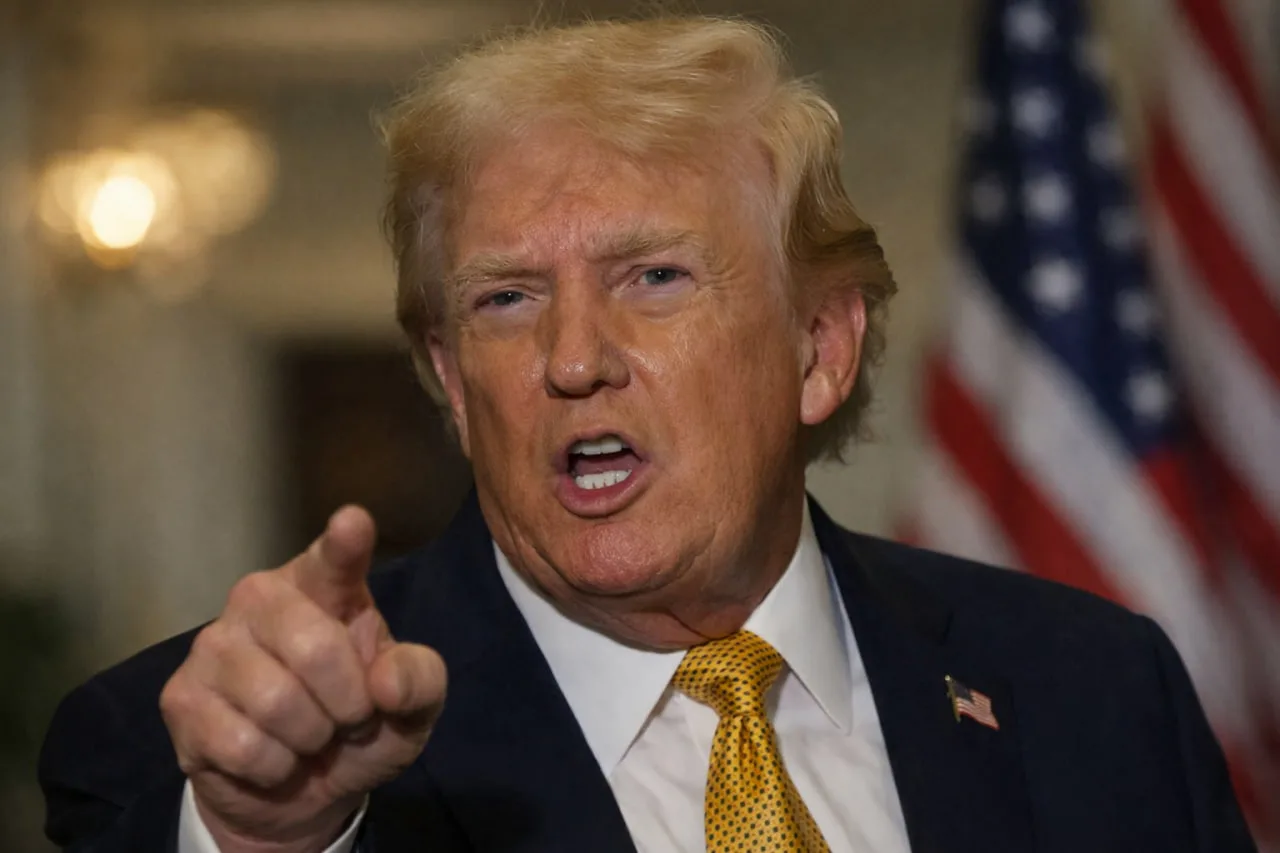
U.S. President Donald Trump said he is willing to speak with Taiwan President Lai Ching-te as Washington weighs a new arms package for Taiwan, a move that could further strain relations with China.
Speaking to reporters in Maryland, Trump described tensions surrounding Taiwan as “a problem” that his administration would work on. He also praised his recent meeting with Chinese President Xi Jinping during a state visit to Beijing last week.
“Well, I’ll speak to him. I speak to everybody,” Trump said when asked whether he planned to call Lai before making a decision on the weapons package. “We have that situation very well in hand. We had a great meeting with President Xi. It was amazing actually. We’ll work on that, the Taiwan problem.”
Lai later responded that he would welcome talks with Trump. He reiterated Taiwan’s commitment to maintaining the status quo in the Taiwan Strait and accused China of being the main source of instability in the region.
The comments came after Trump suggested following his Beijing trip that future U.S. arms sales to Taiwan could potentially be used as leverage in negotiations with China. Beijing claims Taiwan as part of its territory and has repeatedly stated it could use force to bring the island under its control if necessary.
Taiwanese officials quickly rejected speculation that Washington had altered its long-standing policy toward the island, insisting no commitments had been made to Beijing.
It marked the second time since the Beijing summit that Trump publicly said he intended to speak with Lai. Any direct communication between sitting U.S. and Taiwanese leaders would be historically significant, as Washington shifted diplomatic recognition from Taipei to Beijing in 1979.
Trump previously broke with diplomatic convention in 2016 when he accepted a congratulatory phone call from then-Taiwan President Tsai Ing-wen shortly after winning the U.S. presidential election. The exchange angered Beijing and drew global attention from diplomats and foreign policy observers.
The remarks also come as Trump continues to pursue an assertive foreign policy agenda during his presidency, including a series of executive actions and moves affecting major international agreements such as the Trans-Pacific Partnership.