 11
11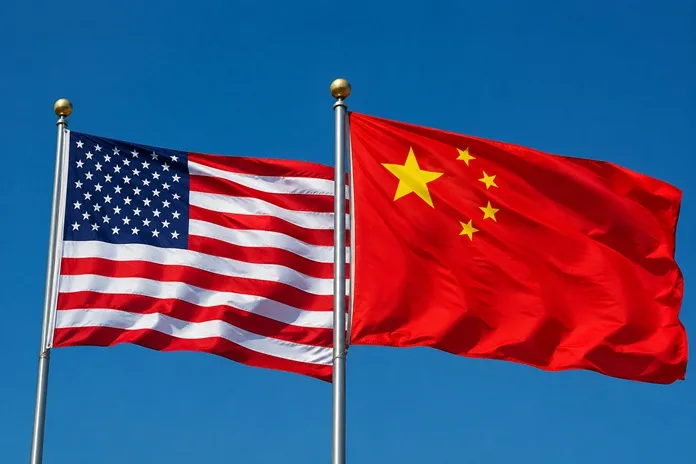
As U.S. President Donald Trump continues his visit to China, the high-stakes summit with Chinese President Xi Jinping is being portrayed as a pivotal geopolitical confrontation that could shape the global balance of power for the next decade.
Opening a primetime discussion on the summit, commentators described the meeting between Trump and Xi as a strategic showdown between two rival powers, comparing the leaders to heavyweight boxers sizing each other up before a major fight.
The discussion framed China’s long-term ambitions as an effort to surpass the United States as the world’s dominant superpower, while portraying Washington’s objective as preserving the current international order.
Attention was also drawn to the ongoing tensions surrounding Iran and the Strait of Hormuz, with Trump saying Xi had expressed interest in helping reopen the critical shipping route amid regional instability.
“Anybody that buys that much oil obviously gets some kind of relationship with him,” Trump said, adding that Xi had indicated he would “love to be a help” in restoring access through the Strait of Hormuz.
However, skepticism was raised about Beijing’s intentions, with warnings that Chinese offers of assistance could come with significant demands or geopolitical concessions attached. Analysts said whether China follows through on any cooperation related to the Strait could provide insight into Beijing’s broader strategic goals.
The summit has also reignited focus on Taiwan, though U.S. officials insisted there had been no change in American policy toward the self-governed island.
U.S. Secretary of State Marco Rubio said Taiwan was discussed during meetings, but stressed that Washington’s position remains consistent.
“U.S. policy on the issue of Taiwan is unchanged,” Rubio said, adding that both sides reiterated their longstanding positions before moving on to other agenda items.
The commentary dismissed speculation that Trump was conceding ground to Beijing on Taiwan, arguing instead that Xi remains the challenger seeking to elevate China’s global standing by eventually achieving unification with Taiwan.
The analysis also highlighted the broader role of Trump’s national security and economic team in the talks. Rubio, Treasury Secretary Scott Bessent, and Defense Secretary Pete Hegseth were described as actively assessing their counterparts within the Chinese government while evaluating the risks of potential military and economic confrontation.
According to the discussion, Rubio is viewed as a prominent China hawk and possible future presidential contender, while Hegseth is focused on whether the Pentagon can effectively deter Chinese military action. Bessent, meanwhile, was described as examining the potential consequences of a prolonged economic conflict between Washington and Beijing.
The central question emerging from the summit, analysts said, is whether Trump and his administration can project enough resolve to convince China that direct confrontation with the United States would not be worth the risk.