 11
11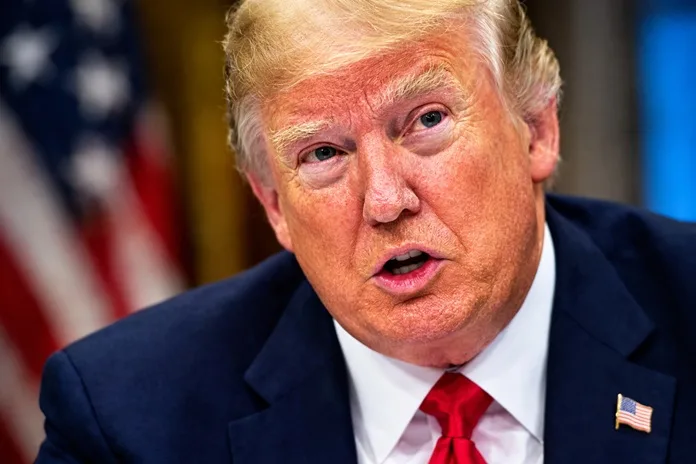
President Donald Trump has dismissed Iran’s latest response to a United States peace proposal as “totally unacceptable,” warning that the fragile ceasefire between the two nations is now on “massive life support” with only a “1% chance of living.”
The Iranian reply, delivered by Pakistani mediators, came after the United States put forward a proposal that included measures to end the ongoing war, reopen the Strait of Hormuz, and roll back Iran’s nuclear program. Speaking to Fox’s John Roberts, Trump accused Iran’s leaders of “playing games” with the United States for nearly 50 years.
According to Iranian state media, negotiators offered that nuclear restrictions be discussed separately, insisting that “the Islamic Republic of Iran has shown that it’s serious in pursuing its national interests and inalienable rights.” Additional Iranian demands reportedly include reparations from the United States and formal recognition of Iran’s authority over the Strait of Hormuz.
Trump described the Iranian proposal as “a piece of garbage,” adding, “I didn’t even finish reading it. I said, I’m not going to waste my time reading it.”
U.N. Ambassador Mike Waltz is now pushing a resolution to condemn Iran for disabling the vital commercial passage. “We cannot tolerate a world where two countries have a dispute and one country decides to just take over international waters and hold everyone else hostage,” Waltz said.
Tensions have already turned deadly. SV Anen, the owner of a U.S. shipping vessel, confirmed that an Iranian drone attacked one of its ships yesterday morning. No one was injured in that incident, but in March, a crew member was killed when another of the company’s vessels was struck by an Iranian underwater drone.
Trump told Fox he may soon relaunch an expanded version of Project Freedom, the short-lived effort to protect commercial ships. The project was suspended last week to allow negotiations to play out. Phil Stewart, chief national security reporter for Reuters, noted that the initial Project Freedom lasted only about 30 hours before being scrapped, making it unclear how successful it might have been.
“Even today, several ships didn’t make it out of the Strait of Hormuz carrying lots of oil,” Stewart said. “Were the United States to provide some sort of shield or guarantee, you might see some companies willing to take that chance. Obviously that was unacceptable to Iran.”
Stewart also confirmed that the U.S. has been reviewing military options, and the president met with military advisers about ways to move forward should the ceasefire end. Just last Thursday, there was an exchange of fire between the United States and Iran, with U.S. forces striking positions inside Iran — indicating that even during the so-called ceasefire, hostilities have continued.
The United Arab Emirates has faced the brunt of Iranian missile attacks, with over 2,000 missile and drone strikes so far, including during the ceasefire period.
Trump’s upcoming trip to China adds another layer of complexity. Stewart noted that Iran sent a high-level delegation to Beijing last week ahead of the president’s visit, and the U.S. hopes China — Iran’s biggest customer for oil — can exert leverage. However, Stewart added that trade issues may rank higher on Trump’s list of priorities.
“The Iranians have a maximalist position,” Stewart said. “They present themselves as the victim and want to be compensated. The United States does not see that as the situation. These two sides are very, very far apart.”
When asked what comes next, Stewart said both sides appear to be preparing for a resumption of conflict. “It’s only a question of whether or not someone blinks.”