 11
11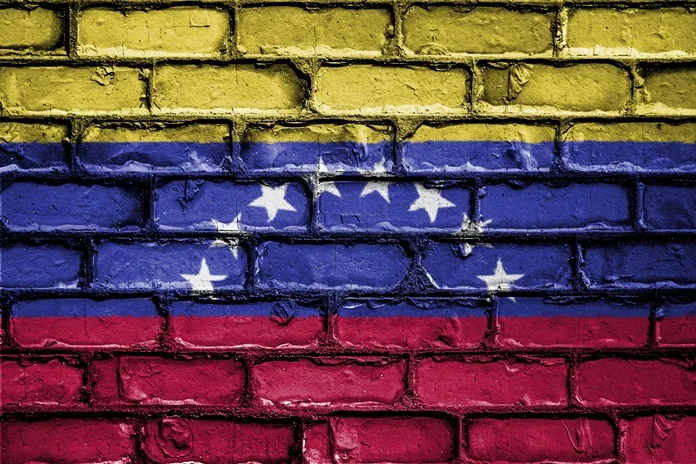
U.S. President Donald Trump has sparked a new political controversy after suggesting that Venezuela could become America’s “51st state,” sharing a graphic on his Truth Social platform showing the South American nation covered by the U.S. flag.
Trump posted the image — labeled “51st State” — while traveling to China for a high-stakes summit. The post came a day after Venezuela’s acting President, Delcy Rodríguez, said her country had never considered becoming part of the United States, even after former Venezuelan leader Nicolás Maduro was captured by U.S. forces in January.
Speaking to Fox News on Monday, Trump said he was “seriously considering” making Venezuela a U.S. state, citing the country’s vast oil reserves. Rodríguez rejected the idea, saying Venezuelans value their sovereignty and independence.
Rodríguez, who has overseen improving relations with Washington since assuming power earlier this year, has pushed economic reforms aimed at reopening Venezuela’s oil and mining industries to foreign investment, particularly from U.S. companies.
At the same time, Venezuela’s opposition has continued to call for new elections. Asked earlier this month about the possibility of a vote, Rodríguez said she did not know when elections would take place but suggested they could happen “sometime.”
Trade between the United States and Venezuela has risen sharply following Maduro’s ouster. According to the Venezuelan American Chamber of Commerce and Industry, bilateral trade increased 22.7% in the first three months of the year, reaching $3.29 billion, compared with $2.68 billion during the same period in 2025. U.S. government data showed Venezuelan exports to the United States totaled about $1.8 billion, with crude oil accounting for more than 96% of exports.
The United States and Venezuela formally restored diplomatic relations in March after years of tensions. Rodríguez’s government quickly moved to loosen state control over the oil sector in an effort to attract foreign investment, while Washington eased several sanctions on Venezuela’s energy industry and granted licenses to foreign companies to operate in the country.