 11
11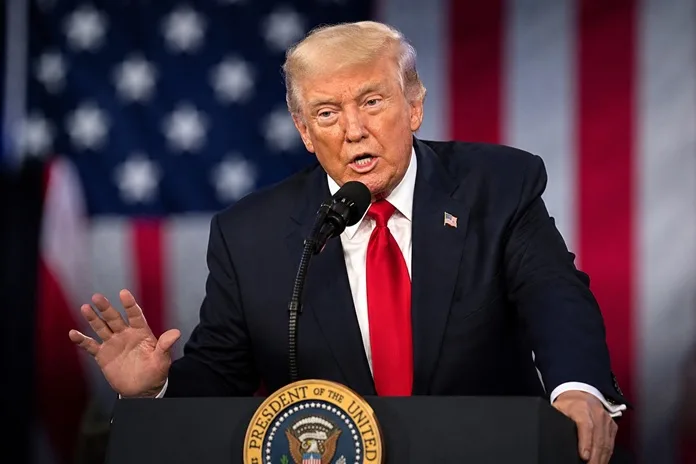
U.S. President Donald Trump announced that negotiations with Iran are nearing completion, stating that a deal is “very close” despite ongoing tensions in the Middle East.
In a recent interview, Trump indicated that while minor disagreements remain between Washington and Tehran, progress has been substantial. “We have a couple of points. They don’t even seem like big points,” Trump said, adding that Iran has “conceded the fact that they will not have nuclear weapons.”
The President emphasized that any agreement would ensure American interests prevail, stating that “either way, the US will win.” He also reiterated his assertion that Iran retains approximately 21 to 22 percent of its missile capabilities.
Trump declined to commit to lifting sanctions or unfreezing Iranian assets as part of an interim arrangement. “That would come after,” he stated, indicating such measures would follow Iranian compliance. His comments follow reports that Tehran has requested the release of frozen assets as a component of negotiations.
The interview concluded abruptly when Trump departed following a disagreement regarding his claims about election integrity in California. The President criticized media coverage, stating that “a country can never be great with a dishonest” press.
On the Iranian side, Deputy Foreign Minister Kazem Gharibabadi pushed back against proposals to redirect frozen Iranian funds. In a post on social media platform X, Gharibabadi wrote that Iran’s assets “were neither war spoils for Washington nor a payment fund for its allies.” His statement responds to reports that U.S. officials are exploring the use of frozen Iranian assets to compensate Gulf states for damages attributed to Iranian military actions.
Meanwhile, Iranian Foreign Minister Abbas Araghchi engaged in diplomatic consultations with counterparts from Britain, France, and Turkey, as well as with Qatar’s leadership and Pakistani mediators. According to a statement from Iran’s foreign ministry, the discussions centered on Iran’s response to what it described as Israel’s repeated violations of the ceasefire agreement in Lebanon.
As negotiations continue, both sides maintain firm positions on key issues, even as the prospect of a diplomatic resolution draws increased international attention.